
"countries and regions"
10000 article(s) found

Introduction to the varieties of coffee beans grown in the Brazilian coffee-producing region of SaoPaulo
Introduction to the varieties of coffee beans grown in the Brazilian coffee region of SaoPaulo on November 15, 1889, General K. Fonseka launched a coup and overthrew the monarchy. The Portuguese expedition of the United States of Brazil established a colony in Brazil in the 1630s. The whole terrain is divided into Amazon plain, Paraguay basin, Brazilian plateau and Guiana plateau.

Introduction to the Grinding Calibration Manor with the Regional treatment method for the Variety characteristics of Coffee beans in Nicaragua
Nicaraguan coffee variety characteristics regional treatment grinding scale manor Nicaraguan coffee with rich purity and fragrance asks that the right balance of acidity and bitterness is regarded as top grade in the eyes of international coffee experts. However, Nicaragua is one of the poorest and backward countries in the world, with backward production methods and management concepts, plus Latin America.

Graded taste characteristics of Colombian coffee introduction to the description of manor flavor in producing areas
The National Coffee Management Association of Colombia, like the National Management Association of Kenya, is a model of coffee organization. Compared with other producing countries, Colombia is more concerned with developing products and promoting production. It is this, coupled with its superior geographical and climatic conditions, that makes Colombian coffee excellent in quality and delicious and famous all over the world. The status of coffee in Colombia comes from the following examples

Description of Price and Flavor of single Coffee Bean in Brazil introduction to the Regional treatment method of Manor production
Brazil is located in the Latin American region of the Western Hemisphere, located in the eastern part of South America and on the west coast of the Atlantic Ocean, bordering all countries on the South American continent except Ecuador and Chile; most of its territory lies between the equator and the Tropic of Cancer. It is the most tropical country in the world. The territory has a tropical rain forest climate and a tropical prairie climate. The superior tropical natural conditions are very suitable.

Taste balanced El Mercedes Manor Coffee roasting degree method Taste Variety region
El Salvador (ElSalvador) is one of the small countries in Central America, where coffee is light, fragrant, pure, slightly sour and characterized by excellent balance of flavor. It is a specialty of Central America. With sour, bitter, sweet and other taste characteristics, the best baking degree is moderate, deep. Salvadoran Coffee-Coffee originated in the early 1990s, guerrilla warfare greatly damaged the country's national economy.

Tarasu region of Costa Rica, one of the major coffee producers in the world
Tarasu, Costa Rica's Tarasu (T-origin arrazu) is one of the major coffee producing areas in the world. The coffee produced is light and pure in flavor and pleasant in aroma. Costa Rica, with its fertile volcanic soil and good drainage, is the first country in Central America to grow coffee and bananas for commercial value. Coffee and bananas are the country's main exports

Is Jinchu the name of the coffee bean farm in Kenya? Brief introduction of producing countries and regions
Is Jinchu Valley the name of a coffee bean farm in Kenya? In order to preserve the original rich fruit flavor of raw beans, we raised the temperature of raw beans to 210 ℃ and kept the temperature at 125 ℃. After entering the pot, we observed the return point and steamed the beans over low heat. At 4 minutes and 30 seconds, we observed that the coffee beans whitened evenly, and then made the beans bleach for 5 minutes and 30 seconds.

Description of the characteristics and Flavor of the Lion King Coffee Bean in Ethiopia introduction to the Regional treatment method of Manor production
Ethiopian Sun Lion King Coffee Bean characteristics description Manor area treatment method Ethiopian coffee should be the only pollution-free green organic coffee in the world. Ethiopia still uses traditional planting methods to artificially care for coffee trees, and fertilizers are mainly deciduous leaves, withered grass and animal manure, replacing harmful pesticides and herbicides used on a large scale in other coffee-producing countries.

Bourbon Variety-the story of coffee cultivation at the Bwayi washing plant in the MATONGO region of Burundi? Burundi
Professional coffee knowledge exchange more coffee bean information please follow the coffee workshop (Wechat official account cafe_style) bourbon variety-Burundi MATONGO production area Bwayi washing plant coffee planting story? How do you drink Burundian coffee? The Bwayi washing plant is located in the town of Matongo, Cayanza province, Burundi. An average of 4000 coffee producers contributed to Bwayi, of which 983

How about Guatemalan coffee? the taste of Guatemala beans, the rich regional flavor nourished by volcanoes.
Professional coffee knowledge exchange more coffee bean information please follow the coffee workshop (Wechat official account cafe_style) Front Street-Guatemalan Coffee introduction Guatemalan Coffee produced in the northwestern Central American Republic of Guatemala (The Republic of Guatemala). The mountain forest area of this country accounts for 2/3 of the national area, and it is rich in high-quality coffee beans with strong sour taste and fragrant taste.
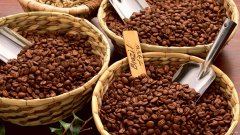
Central American coffee beans have unique environmental advantages. This paper introduces the differences and characteristics of coffee in several regions.
Professional coffee knowledge exchange more coffee bean information please follow the coffee workshop (Wechat official account cafe_style) Central American high-quality coffee beans black gold-"coffee" unique environmental advantages give birth to good coffee in Central America, one of the four major coffee producing areas in the world, with the natural advantages of sunshine, land and mountains, coupled with an adequate working population, make the area a growing area.

Introduction of coffee characteristics of Central American coffee beans
Professional coffee knowledge exchange more coffee bean information please follow the coffee workshop (Wechat official account cafe_style) Central American coffee Central America is the land bridge connecting North and South America there are seven countries, namely Belize, Costa Rica, El Salvador, Guatemala, Honduras, Nicaragua and Panama. Coffee is produced in seven countries in Central America, including Guatemala and Costa Rica.

Caramel Fragrance Ecuadorian Santa Cruz Manor Coffee Flavor Description Grind Degree Variety Features Region Introduction
Ecuador is at the center of the world, which is why Ecuador is known as the equatorial country, and Ecuador's top coffee is also known for its superior geographical location. Two hours east of Quito, Ecuador's capital, you can drive to tropical jungle areas and west to the sea. Ecuador is one of the most diverse countries in the world. In any direction you are

Introduction of Burundian Coffee varieties treated by Grinding Calibration method in the region with characteristic Flavor and Taste
Burundian coffee has special flavor and taste region grinding scale method varieties introduction Burundian coffee has a striking resemblance to its neighbor Rwanda, and coffee produced in these two countries is often confused. Burundian coffee is mainly grown in bourbon, with traditional wet processing of coffee cherries. Its boutique coffee is characterized by elegant sweetness and bright citrus aromas.

Introduction to the regional treatment method of coffee bean species, characteristics, flavor, taste and manor production
Coffee bean species knowledge, flavor, taste, manor production, regional treatment of all coffee, Arabica coffee accounts for 75%, 80%, its excellent flavor and aroma, making it the only coffee that can be drunk directly among these native species. However, it has low resistance to dryness, frost, diseases and insect pests, especially the natural enemy of coffee, leaf rust, so all producing countries are working hard.

Robusta coffee how much is it, price, flavor description, taste, region, country introduction
The output of Robusta species accounts for 25% 35% of coffee bean production, and its main producing countries are in Indonesia (one of its coffee beans is a kind of coffee beans processed by washing, which is a hybrid between Robusta and Arabica. It is the only kind of coffee beans on the Chinese market that can be used as a single drink), Vietnam, Africa, (Ivory Coast, Nigeria, Angola)

An introduction to the Tarasu region of Costa Rica, one of the major coffee producing countries in the world
Tarrazu in Costa Rica is one of the major coffee producing areas in the world. The coffee produced is light and pure in flavor and pleasant in aroma. Costa Rica, with its fertile volcanic soil and good drainage, is the first country in Central America to grow coffee and bananas for commercial value. Coffee and bananas are the country's main exports. In 1729, coffee was introduced from Cuba to Goth.

Costa Rica West Valley Region Coffee Bean Flavor Description Introduction
Coffee was introduced to Costa Rica from Cuba in 1729, and today its coffee industry is one of the most well-organized in the world, producing up to 1700 kilograms per hectare. Costa Rica has a population of 3.5 million, but coffee trees number 400 million, and coffee exports account for 25% of the country's total exports. Costa
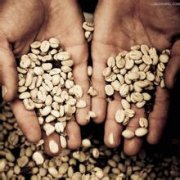
Caesar in the Borquat region of Panama. Louis Manor
The American Fine Coffee Association (SCAA) Baker Association 2012 COTY-Coffees of the Year Competition ended a few days ago. 250 kinds of raw coffee beans from 26 countries in the world's major coffee producing regions took part in the competition for the 2011 / 12 Global Best Fine Coffee Award. After the professional judges on the dry fragrance, wet aroma, taste, flavor, aftertaste and mellow of the participating coffee

Aroma rich, smooth and delicate Nicaragua lemon tree estate coffee flavor taste characteristics of the region
Columbus sailed here in 1502 and reached the east coast of Nicaragua. In 1522, Spanish colonists began conquering the area. In 1524 the cities of Granada and Leon were founded. From then on, Nicaragua became a Spanish colony and was placed under the jurisdiction of the Governor General of Guatemala. León became a political and cultural centre; Granada became a commercial and agricultural centre. In the late colonial period,